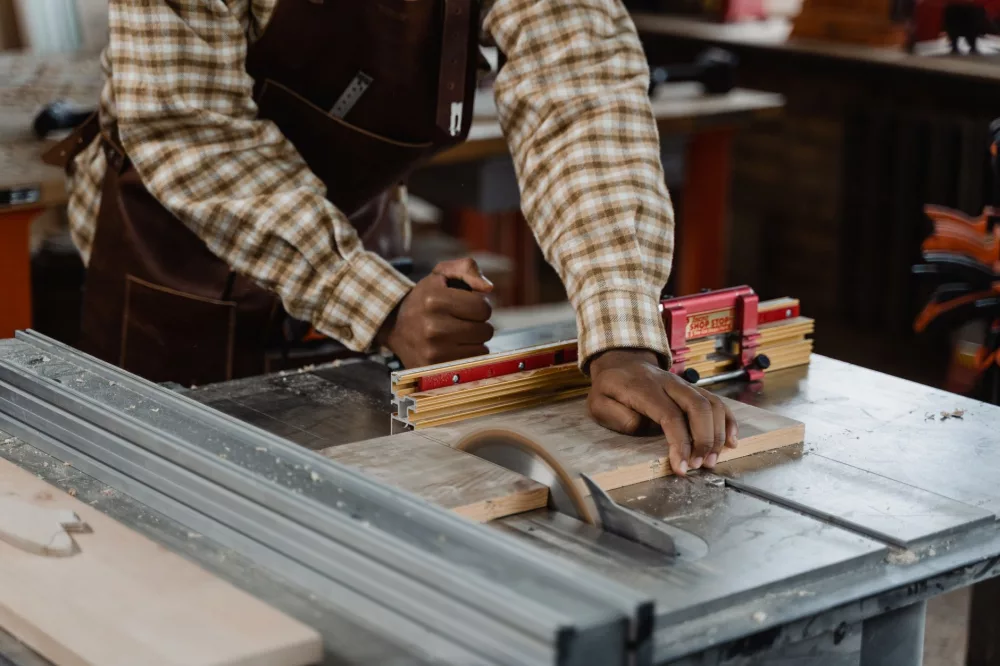
I've always found something incredibly satisfying about working with my hands, don't you? There's a unique joy in taking raw materials and transforming them into something beautiful and functional. When it comes to woodworking, that feeling is amplified. It’s not just about building; it’s about understanding the material, respecting the tools, and developing a skill that connects us to a really old tradition. For many of us, getting started in woodworking can feel a bit overwhelming. The sheer number of tools, the different types of wood, the safety concerns – it's a lot to take in!
That's exactly why woodworking classes are such a game-changer. They offer a structured, safe, and incredibly rewarding entry point into this fantastic craft. I mean, think about it: instead of stumbling through YouTube tutorials and potentially making costly mistakes (or worse, getting hurt!), you get expert guidance right from the start. Let's explore why jumping into a woodworking class might just be one of the best decisions you make for your creative journey.
Why Should You Even Consider a Woodworking Class?
Honestly, when I first thought about woodworking, my garage seemed like a perfect place to start. A few hand tools, some lumber, and I was good to go, right? Wrong. I quickly realized there's so much more to it than just cutting and gluing. That's where a good class really shines.
Safety is Non-Negotiable
This is probably the biggest reason in my book. Power tools, sharp blades, dust – woodworking can be dangerous if you don't know what you're doing. A class teaches you proper machine operation, essential safety protocols, and how to use personal protective equipment effectively. You'll learn the correct way to handle a table saw, a router, or even a simple chisel, making sure your fingers stay exactly where they belong.
Structured Learning, No Bad Habits
When you're self-taught, it's easy to pick up inefficient or even unsafe habits. Instructors in a class have seen it all. They can guide you through the correct techniques from day one, helping you build a solid foundation. You'll learn the 'why' behind certain methods, not just the 'how.' It's like having a personal coach for your craft.
Access to Tools and Space
Let's be real, outfitting a complete woodworking shop can be super expensive. Tables saws, jointers, planers, dust collection systems – the costs add up quickly. Most woodworking classes are held in well-equipped shops, giving you access to professional-grade machinery without the huge upfront investment. Plus, you get the space to spread out, which is often a luxury in a home workshop.
Expert Guidance and Immediate Feedback
Imagine struggling with a tricky joint. In a class, your instructor is right there. They can spot what you're doing wrong, demonstrate the correct approach, and provide instant feedback. This immediate correction accelerates your learning curve dramatically. You can ask all those 'stupid questions' without feeling silly, and believe me, we all have them!
Community and Inspiration
There's something wonderful about learning alongside other enthusiasts. You'll meet people from all walks of life who share your passion. This community can be a fantastic source of inspiration, tips, and even future collaboration. I've seen friendships blossom in these environments, and that's a huge bonus.
What Can I Expect to Learn? A Glimpse into the Curriculum
So, you're convinced a class is a good idea. What exactly will you be learning? While every program is different, here’s a general idea of the core skills you’ll acquire:
- Understanding Wood: You'll learn about different wood species, their properties, how to select lumber, and how grain direction affects your work.
- Hand Tool Mastery: Sharpening chisels, using planes, hand saws – these fundamental skills are often emphasized.
- Power Tool Proficiency: Safe and effective use of table saws, miter saws, band saws, routers, drills, and sanders will become second nature.
- Essential Joinery Techniques: This is where the magic happens! Expect to learn about butt joints, dadoes, rabbets, dowel joints, biscuits, pocket screws, and perhaps even some classic dovetails or mortise and tenons, depending on the class level.
- Measuring and Layout: Precision is key in woodworking. You'll learn how to accurately measure, mark, and transfer dimensions to your material.
- Finishing Fundamentals: Understanding sanding, staining, oiling, and varnishing will help you protect your projects and make them truly shine.
- Project Planning and Design: Many classes involve taking a project from concept to completion, teaching you how to read plans, create cut lists, and plan your workflow.
Different Strokes for Different Folks: Types of Classes
Woodworking classes aren't one-size-fits-all. There's a wide variety out there, catering to different skill levels and interests.
- Beginner Workshops: These are fantastic for absolute novices. They usually focus on fundamental safety, basic tool use, and completing a simple project like a small shelf, a cutting board, or a keepsake box.
- Intermediate Classes: Once you've got the basics down, intermediate courses introduce more complex joinery, delve into specific furniture pieces (e.g., a small table or cabinet), or explore specialized tools.
- Advanced Masterclasses: For the seasoned woodworker, these might cover intricate carving, advanced turning, fine furniture making, or specialized techniques like bent lamination.
- Specialty Workshops: Often shorter, intensive classes focused on a very specific skill, like chair making, dovetail joinery, hand-plane tuning, or even tool restoration.
- Online vs. In-Person: While in-person classes offer hands-on tool access and immediate feedback, online courses (live or recorded) can be great for theoretical knowledge, design principles, or specific technique demonstrations if you already have some tools. Just remember, you won't get that direct physical guidance online.
Choosing the Right Class for Your Journey
So, how do you pick the best fit? It's not always easy, but here are some things I'd suggest you consider:
- Your Personal Goals: What do you want to build? Are you looking for a new hobby, or do you have aspirations for custom furniture? Knowing your 'why' helps narrow down options.
- Your Current Skill Level: Be honest with yourself. A beginner class is always a good starting point, even if you've dabbled a bit.
- The Instructor's Experience and Style: Check out their background, look for reviews. A good instructor makes all the difference. Do they teach clearly? Are they patient?
- Shop Facilities and Equipment: Are the tools well-maintained? Is the shop clean and organized? Do they have the specific machines you're interested in learning?
- Class Size: Smaller classes often mean more one-on-one attention from the instructor.
- Cost and Location: Obviously, these are practical considerations. Balance the cost with what you're getting in terms of instruction and access. Is it close enough to be convenient?
- Reviews and Recommendations: Word of mouth and online reviews can be super helpful. Ask around!
Embarking on woodworking through a structured class is a truly enriching experience. It's an investment in yourself, your skills, and your creative potential. You'll gain confidence, practical abilities, and a deep appreciation for craftsmanship. Plus, you'll walk away with projects you're genuinely proud to show off. So, why wait? Find a class near you and start carving out your place in the world of woodworking. You won't regret it.