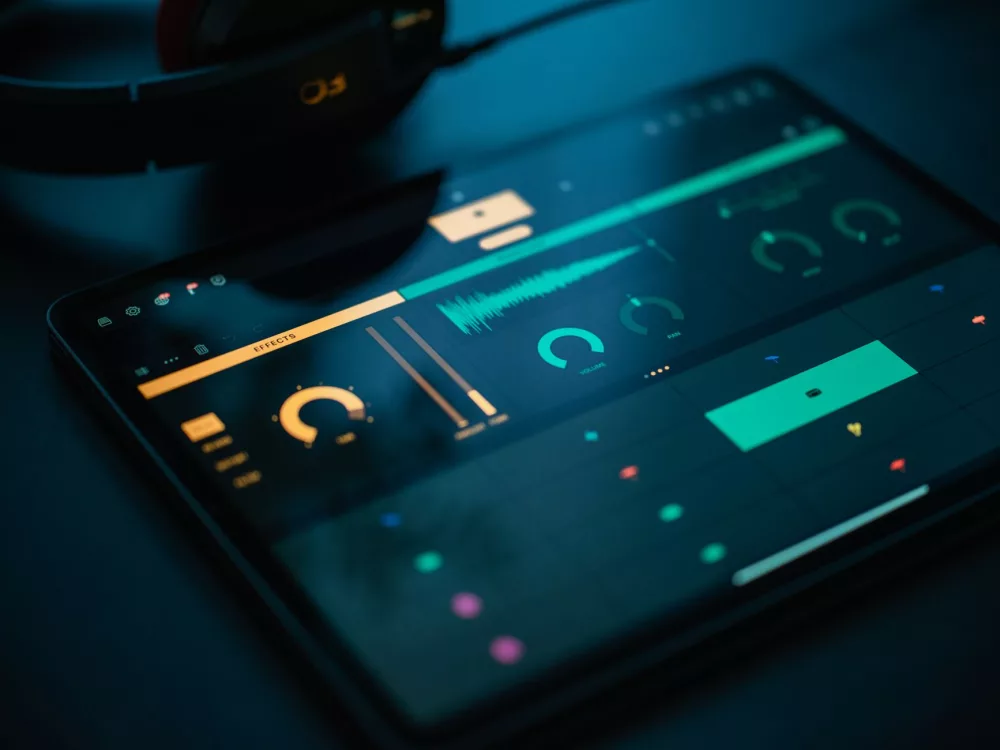
The Incredible Evolution of Sound Apps
It's truly remarkable how much our smartphones, tablets, and even computers have transformed over the years. What started as communication devices have blossomed into miniature studios, entertainment hubs, and powerful productivity tools. For me, one of the most exciting transformations has been in the realm of audio. We're talking about sound apps, and honestly, they've completely redefined what's possible for creators, listeners, and even those just looking for a little peace and quiet. I remember a time when dedicated hardware was essential for any serious audio work; now, much of that capability is literally in our pockets.
My interest in sound apps isn't just professional; it's personal. I've seen firsthand how these applications have democratized music creation, made audio editing accessible, and even offered solace through ambient sounds. It's a vast landscape, brimming with innovation, and I'm eager to explore some of the key areas where sound apps are making a significant impact.
A Universe of Applications: Diving into Categories
When we talk about sound apps, we're not just talking about one type of software. Oh no, the variety is astounding! It covers everything from making complex music to simply tuning your guitar. Let's break down some of the major categories I've encountered.
Music Production and Creation
This is probably where many folks' minds go first. Mobile and desktop Digital Audio Workstations (DAWs) have become incredibly sophisticated. They let you record, arrange, mix, and master tracks right on your device. It's pretty neat how much power is packed into these. Think about it: a full studio, without all the wires and expensive equipment!
- Mobile DAWs: Apps like GarageBand, FL Studio Mobile, and Cubasis let you build entire songs with virtual instruments, drum machines, and audio recording capabilities. I've seen some truly professional-sounding tracks come out of these.
- Synthesizers & Samplers: Software synths can emulate classic hardware or create entirely new sounds. Sampler apps allow you to manipulate audio snippets, turning everyday sounds into musical elements. It's a playground for sound designers.
- Loop-based Production: Apps like Launchpad or Ableton Live (desktop) provide intuitive ways to create music by triggering and combining loops, making it super easy for beginners to jump in and create something cool.
Audio Editing and Mastering
Beyond music creation, a huge segment of sound apps focuses on refining and perfecting audio. This is a big deal for podcasters, videographers, and anyone who deals with spoken word or recorded sound. I can't imagine trying to do some of my editing work without these tools now.
- Podcast Editors: Apps like Adobe Audition (desktop) or Ferrite Recording Studio (iOS) offer multi-track editing, noise reduction, and EQ, making it simple to get a professional-sounding podcast.
- Voice Recorders with Editing: Basic voice recorder apps have evolved. Many now include features like trimming, basic noise cancellation, and export options, which I find incredibly useful for quick notes or interviews.
- Mastering Tools: While professional mastering often requires high-end gear and expertise, some apps offer simplified mastering chains to give your tracks that final polish, often using AI-assisted algorithms.
Sound Therapy and Relaxation
This category is a personal favorite. In our busy world, sometimes all we need is a moment of calm. Sound apps specializing in relaxation offer a fantastic way to unwind, focus, or even fall asleep.
- White Noise & Ambient Sounds: Apps like Calm or Headspace, or even dedicated white noise generators, offer everything from rain and ocean waves to café chatter and pink noise. I often use these to help me concentrate when working.
- Meditation & Mindfulness: Many apps provide guided meditations accompanied by soothing soundscapes, helping users manage stress and improve mental well-being.
- ASMR Triggers: For those who experience Autonomous Sensory Meridian Response, there are apps specifically designed to provide various triggers, offering unique sensory experiences.
Field Recording and Soundscapes
For the adventurous audio enthusiast, field recording apps turn your device into a portable recorder. I find it fascinating to capture the sounds of the world around us.
- High-Quality Recorders: With external microphones, some apps can capture pristine audio, perfect for documentary work, sound design, or simply archiving environmental sounds.
- Geotagged Recordings: Some advanced apps allow you to geotag your recordings, creating an audio map of your travels or specific locations.
What I Look For: Key Features and Considerations
With so many options out there, how do you choose? I usually consider a few critical factors before committing to a sound app. It's not just about what it does, but how it does it.
- User Interface (UI): Is it intuitive? Can I quickly find what I need, or do I get lost in menus? A clean, well-designed interface makes a huge difference, especially on smaller screens.
- Audio Quality & Processing: Does it support high sample rates? Are the built-in effects and processors of good quality? This is crucial for professional results.
- Connectivity: Can it connect to external hardware (MIDI controllers, audio interfaces)? Does it integrate with cloud storage or other apps? Interoperability is a big plus for my workflow.
- Cross-Platform Compatibility: If I start a project on my tablet, can I seamlessly continue it on my desktop? This isn't always available, but it's a definite convenience.
- Pricing Model: Is it a one-time purchase, a subscription, or freemium? I weigh the cost against the features and my usage frequency. Sometimes a free app with ads isn't worth the annoyance, even if it saves money.
The Future is Sound: My Thoughts on What's Next
The trajectory of sound apps is incredibly exciting. I see several trends shaping their evolution. Artificial intelligence is already playing a role in automatic mixing, mastering, and even generating music. This could make sophisticated audio production even more accessible to everyone. We're also seeing more development in spatial audio and immersive sound experiences, which will totally change how we listen to music and interact with virtual environments. Plus, there's a strong push for greater accessibility, ensuring that more people, regardless of their physical abilities, can engage with these powerful tools.
Ultimately, sound apps have firmly established themselves as indispensable tools in our digital lives. Whether you're an aspiring artist crafting your next hit, a busy professional refining an important presentation, or just someone seeking a moment of peace, there's an app out there for you. The accessibility and sheer power they offer are incredible, and I can't wait to see what innovations come next. It's a fantastic time to be involved with audio, no matter your skill level or interest.